
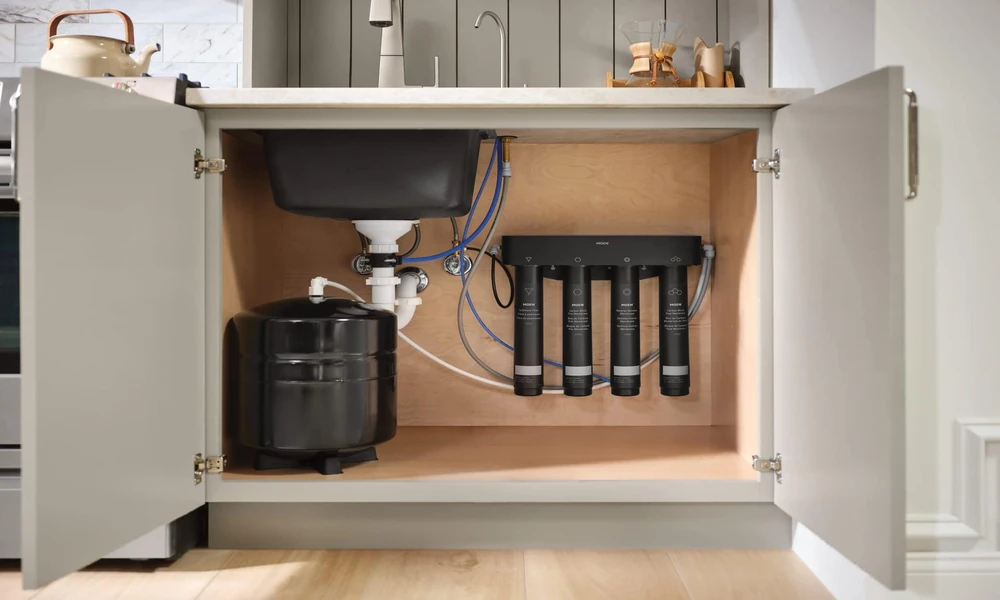

If you have ever filled a glass at the kitchen sink and noticed a faint chlorine smell, or wiped white spots off a shower door for the tenth time, you have probably wondered whether a whole home filtration system is worth the money. For many families in Lavon, Texas, it is a question worth taking seriously. Here are the questions homeowners ask most, with plain answers.
What does a full house water filter actually do?
A point of use filter, like a pitcher or an under sink unit, treats water at one tap. A full house system, also called a point of entry system, treats water where the main line enters your home. Every faucet, shower, dishwasher and washing machine then gets filtered water.
Most systems combine a sediment stage, which catches sand and debris, with an activated carbon stage, which reduces chlorine, odors and many organic compounds. Some add a water softener or a conditioning stage to deal with hardness minerals.
Why does Lavon water raise these questions?
Homes in the Lavon area typically receive treated surface water from regional suppliers, and North Texas water is known for being fairly hard. Hardness means dissolved calcium and magnesium, which leave scale on fixtures and inside appliances. Municipal water is also disinfected so it is safe to drink, and that disinfectant can leave a taste or smell some people dislike.
Lavon has also grown quickly, with new subdivisions going up and older homes getting renovated. New construction can stir up sediment in lines, and older plumbing can add its own issues. A whole home system gives you one consistent layer of protection regardless of what your pipes are doing.
How do you know if you need one?
Look for these everyday signs:
- White crusty buildup on faucets and showerheads
- Spots on glassware even after a full dishwasher cycle
- Dry skin or dull hair after showers
- A chlorine smell from the tap
- Short lifespans for water heaters and appliances
- Laundry that feels stiff or fades quickly
If several of these sound familiar, the next step is a water test. Many local water treatment companies offer testing, and you can also request your supplier’s annual water quality report. The EPA’s drinking water resources are a solid starting point for understanding what contaminants are regulated and what your report means.
What are the real benefits?
Appliance protection. Scale is the quiet enemy of water heaters, dishwashers and washing machines. Reducing it can help them run efficiently and last longer, which matters when a replacement water heater costs well into the hundreds or thousands of dollars.
Better skin, hair and laundry. Softer, filtered water rinses cleaner, so you often need less soap and shampoo.
Cleaner fixtures. Less scale means less scrubbing, and your bathroom looks newer for longer.
Better taste and smell. Carbon filtration reduces chlorine taste, so even tap water used for coffee or cooking tastes better.
Whole home coverage. A kitchen filter does nothing for the shower you stand in every morning. Filtering at the entry point covers every outlet.
What should you ask before buying?
Not every system suits every house. Before you sign anything, ask:
- What exactly will this system remove, and is that backed by testing?
- How often do filters or media need replacing, and what does it cost per year?
- What flow rate does it support? An undersized system drops water pressure when two showers run at once.
- Does the unit need electricity, drain access or regular salt refills?
- What does the warranty cover, and who services the unit locally?
Be wary of anyone who promises to remove everything. A good installer starts with your water test results and recommends equipment to match them.
Where should the system go?
Most systems install near the main water line, in a garage, utility room or an outdoor equipment pad. Placement affects how easy maintenance will be, so think about access before installation day. Outdoor installations should be shaded and protected from freezing, which does happen in North Texas winters.
Does your home’s exterior play a role?
More than most people realize. Water quality is not just about what comes out of the tap. It is also about how well your house handles water outside. A roof in poor shape, clogged gutters or poor drainage near the foundation can lead to leaks, mold and moisture damage, and those problems can undermine the benefits of a carefully chosen filtration system.
That is why many homeowners treat water management as a whole house project, from roof to plumbing. A local contractor like Rock River Roofing & Exteriors can help you keep the outside of your home in shape so rain is directed away from your walls and foundation. Pairing a healthy exterior with clean water inside is a smart way to protect your investment.
If you are planning a filtration install and you are already thinking about roof repairs, gutter updates or other exterior work, it makes sense to schedule everything with one eye on your overall budget and timeline.
How much does it cost, and is it worth it?
Costs vary widely. A basic sediment and carbon system is generally far cheaper than a combined softener and filtration setup, and installation, plumbing modifications and ongoing media replacement all add to the total. Get at least two written quotes and compare what each one includes.
Weigh the price against what you spend now: bottled water, replacement filters for several small units, extra detergent, appliance repairs and the cleaning products you use to fight scale. For many households, the combined savings and comfort make a whole home system a reasonable long term purchase.
How do you keep it working well?
Even the best equipment fails if it is ignored. Follow these habits:
- Replace sediment and carbon filters on the schedule the manufacturer recommends
- Check pressure at your taps now and then, since a sudden drop can signal a clogged filter
- Keep a record of installation dates and service visits
- Retest your water once a year or after major plumbing work
- Refill salt on softeners before it runs out
The bottom line
A full house water filtration system is not a requirement for every Lavon home, but it is a practical upgrade for many. If you notice scale, odd smells, dry skin or appliances wearing out too early, start with a water test, compare a few quotes and choose equipment based on your actual results. Pair that with a well maintained roof and drainage system, and you give your home protection from both the water that comes in through the pipes and the water that falls on it from above.
Is a Whole Home Water Filter Worth It for Lavon Homeowners
