
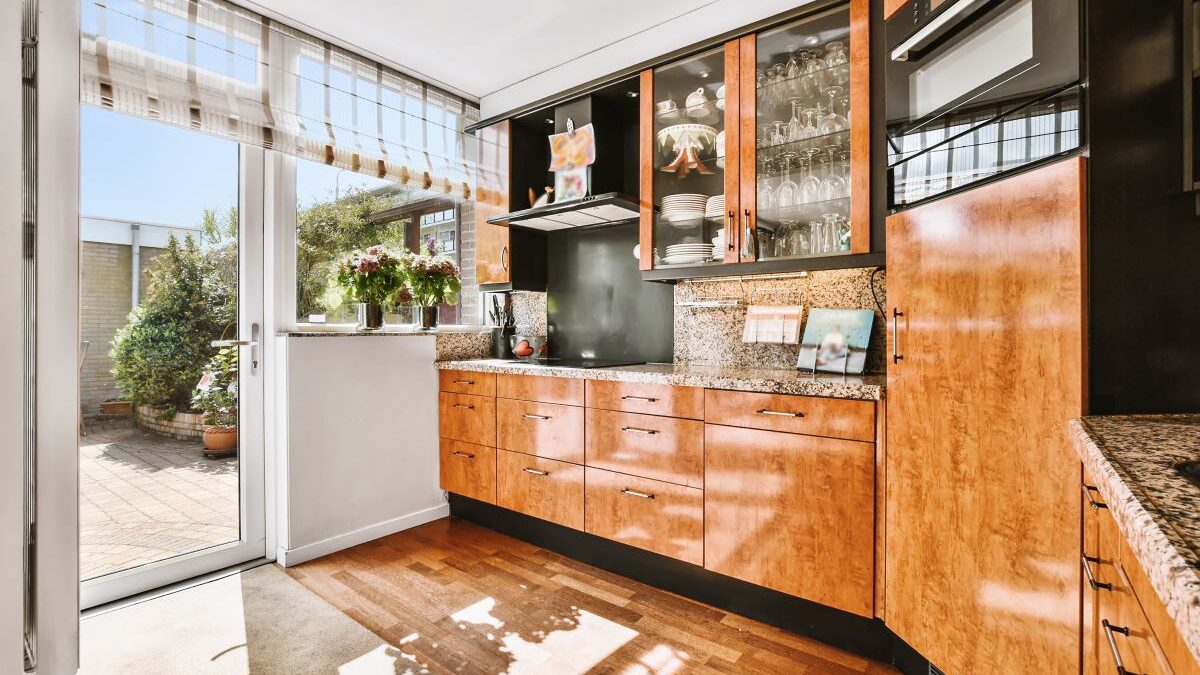

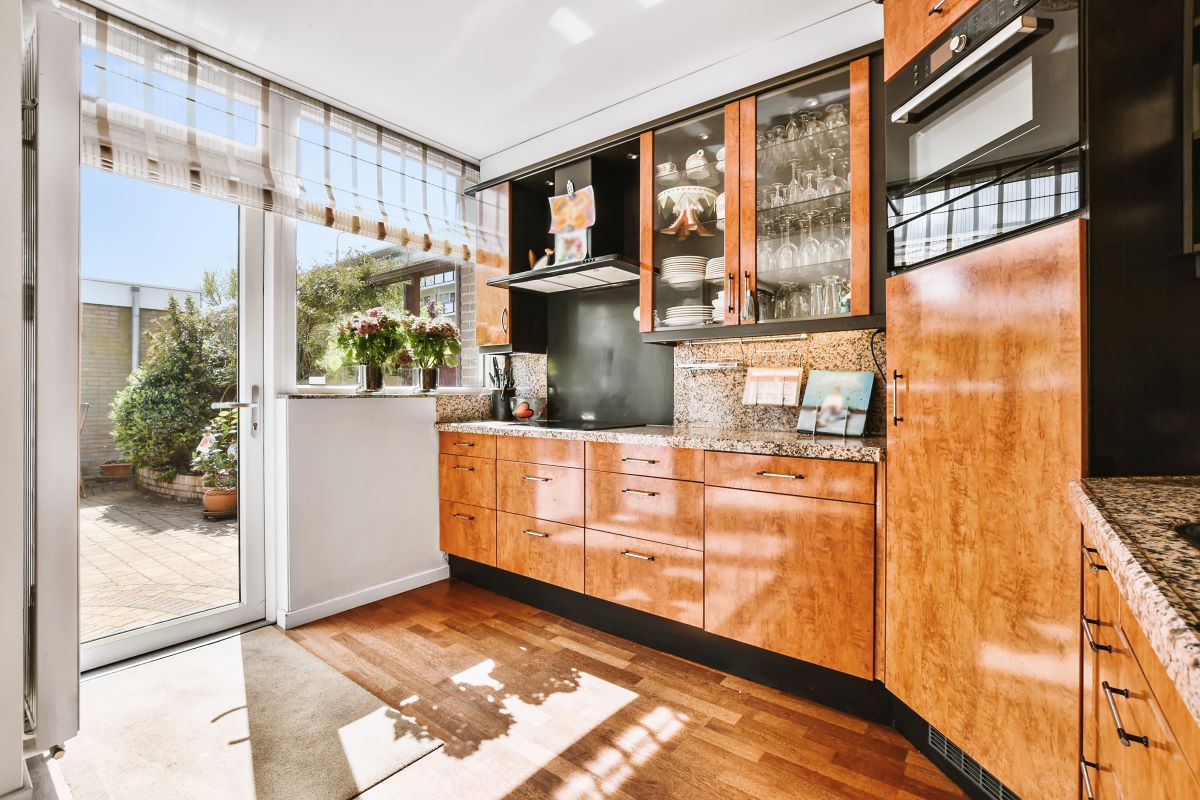
Kitchen cabinets face daily punishment: steam, sunlight, greasy hands, cleaning chemicals, even just the passage of time. Cracked lacquer, patchy stains, faded finishes, and peeling edges can turn your kitchen from inviting to embarrassing almost overnight. Yet the prospect of a full remodel is daunting, messy, expensive, and often unnecessary. So, is there a way to fix those unsightly cabinet surfaces without tearing everything out?
Peeling and Fading Are Normal and Irreversible
Every kitchen cabinet, no matter how high-end, eventually shows signs of wear. Even the most durable finishes lose their luster as years pass, and high-traffic kitchens see damage more quickly. Minor peeling or fading is not a reflection on your cleaning routine or taste; it is a fact of materials science. Paints and veneers degrade, and once the top layer is breached, the process is impossible to reverse.
Why Don’t Cabinets Always Age Gracefully?
Moisture from boiling pots, ultraviolet rays beaming through your windows, and aggressive scrubbing all sap the life from cabinet finishes. Some materials, like laminate and polyester, resist stains and scratches well, but even these break down eventually. Solid wood expands and contracts with humidity, causing cracks or lifting in the finish. The kitchen’s constant cycle of heat, humidity, and sunlight is simply too much for finishes to handle forever.
How Do Environmental Factors Accelerate Damage?
Direct sun exposure speeds up fading, while humidity swells surfaces and loosens glue or veneer. Kitchens with poor ventilation often see warping or bubbling, especially around sinks and dishwashers. Even the best-quality cabinets, like those in the Cuisines Rosemère kitchen cabinets collection, will eventually succumb to these environmental realities, though they often last longer thanks to superior materials and finishes.
You Must Replace Cabinets to Fix Peeling and Fading?
Not always. Many homeowners believe that visible damage means total replacement is inevitable, but that is rarely the case. Most peeling or fading is superficial, affecting just the finish rather than the structural cabinet itself.
When Is a Full Remodel Actually Unnecessary?
If the cabinet boxes are solid and the doors are not warping or splitting, there is little reason to gut your kitchen. Professional refinishing, cabinet refacing, or even strategic repainting can transform the look for a fraction of the cost.
What Are the Cost-Effective Alternatives to Cabinet Replacement?
– Professional refinishing: Stripping old paint and applying new finish.
– Cabinet refacing: Replacing only the cabinet doors and drawer fronts.
– DIY painting: Sanding and repainting worn surfaces at home.
Each method offers a significant visual upgrade without the mess or expense of a full remodel.
Do All Cabinet Materials React the Same to Wear and Tear?
Not quite. Some finishes are more forgiving than others, but none are truly immune.
| Material | Durability | Vulnerabilities | Maintenance Level |
|——————-|—————-|————————-|——————|
| Solid wood | High | Fading, warping, cracking | Medium |
| Laminate | Medium | Peeling, lifting | Low |
| Polyester | High | Scratching, chipping | Low |
| Lacquer/Similaque | Medium-High | Yellowing, cracking | Medium |
| Melamine | High | Chipping, swelling | Low |
What Are the Material-Specific Strengths and Weaknesses?
Polyester and melamine surfaces resist scratches and are easy to wipe clean, but they can swell if water seeps into seams. Solid wood’s beauty is unmatched, but it is sensitive to sunlight and humidity. Modern lacquer and similaque finishes, non-toxic, UV-resistant coatings, combine style with resilience, but they can still eventually peel or fade under relentless stress.
Are DIY Fixes Reliable or Just a Temporary Patch?
YouTube hacks and viral posts promise easy fixes with a dab of glue or a slick of marker, but most shortcuts fail under real kitchen conditions. Results may look good for a week, then peel worse than before.
Are There Any Proven Techniques to Repair Peeling and Fading at Home?
Yes, but they require patience. Small patches of peeling veneer or finish can be glued and clamped, but extensive peeling demands sanding down the surface. For fading, paint or stain must be reapplied after proper cleaning and prep.
What Tools and Products Deliver Lasting Results?
– Fine-grit sandpaper for smoothing.
– Wood filler or adhesive for minor repairs.
– High-quality primer and paint (or stain and polyurethane).
– A small roller for flat surfaces, brushes for edges.
Is Sanding and Repainting the Only Way to Restore Cabinets?
Sanding and refinishing truly are the most reliable ways to make old cabinets look new again. Alternatives like applying wood veneer or similaque coatings exist for those wanting a fresh finish without full replacement. Similaque, for example, is a non-toxic, UV- and moisture-resistant option now popular in Montreal and Laval.
When Is Professional Refinishing Worth It?
If you want a truly flawless finish, or your cabinets have complex detailing, professionals have the tools and know-how to ensure a result that lasts for years.
Is Using Harsh Chemicals Necessary to Remove Old Finish?
Powerful strippers may be effective, but they can also damage cabinet material, release toxic fumes, and require careful handling.
What Are Safe, Non-Toxic Cleaning and Preparation Methods?
Citrus-based strippers, gentle degreasers, and thorough sanding do the job without the hazards. Always open windows, wear gloves, and avoid over-saturating surfaces with water.
How Can You Maintain Cabinet Integrity While Refreshing Appearance?
Taping off hinges, thoroughly cleaning, and using minimal water keeps boxes and hardware sound while you focus on the surface.
Once Cabinets Peel or Fade, Will Maintenance Help?
Unfortunately, routine cleaning and polishing cannot reverse damage that is already done.
What Preventative Practices Extend Cabinet Life Post-Repair?
– Wipe up spills quickly.
– Use gentle, non-abrasive cleaners.
– Avoid direct sunlight if possible (use curtains or blinds).
– Keep humidity controlled with a vent or fan.
Which Simple Daily Habits Make a Big Difference?
Gently open and close doors, avoid hanging damp towels over cabinet edges, and do a quick weekly wipe-down. These habits buy time for your next refresh and preserve that just-renovated look much longer.
With a careful combination of DIY repairs, smart product choices, and a few preventative habits, you can extend the life and beauty of your kitchen cabinets, without a costly remodel.
How to fix peeling and fading in your kitchen cabinets without a full remodel
