
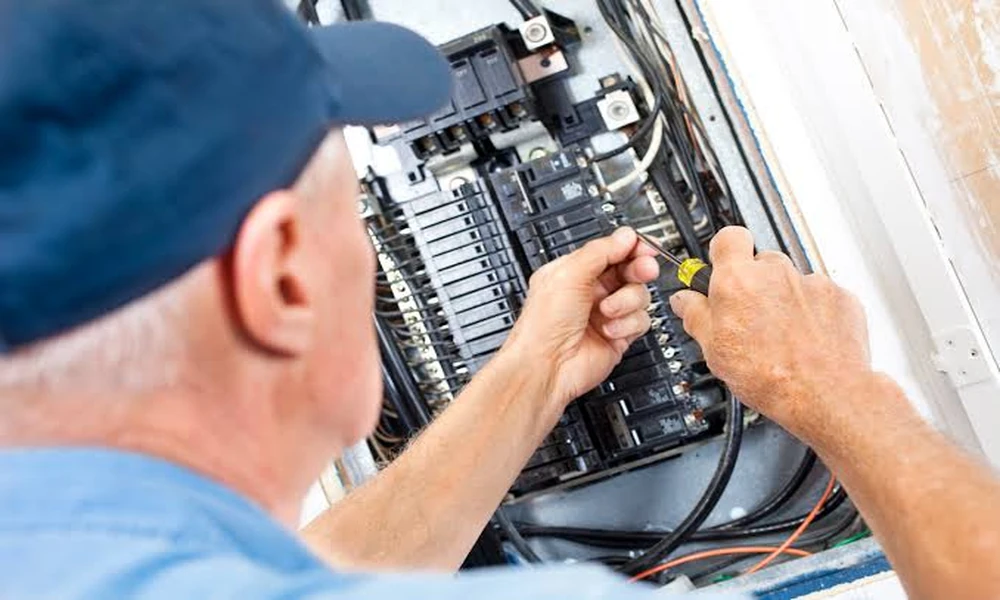

Electric vehicles are becoming a more common sight around Austin, Texas. For homeowners making the switch from a gas-powered vehicle to an EV, charging at home can be one of the biggest conveniences. Instead of making a trip to a public charging station, you can plug in at home and start the next day with a full battery.
For many homeowners, the obvious question is, “Where should I put the charger?” There is another question that deserves attention before the charger is purchased: Can my home’s electrical system safely handle it?
This is particularly important when installing a Level 2 EV charger. Unlike a standard household outlet, a Level 2 charger can place a substantial continuous electrical load on the home’s electrical system. Depending on the charger and its settings, that additional demand may be significant enough to require an electrical panel upgrade or another form of load-management solution.
Homeowners in Austin, Texas can work with Tejas Electric for a professional electrical panel upgrade near me when their existing electrical system does not have enough capacity for an EV charging installation.
Before assuming that a panel upgrade is necessary, however, the entire electrical system should be evaluated. A licensed electrician can look at the home’s existing equipment, calculate electrical demand, and determine what solution makes sense for the property.
How Does a Level 2 EV Charger Affect Your Home’s Electrical Load?
One of the biggest misconceptions about EV chargers is that installing one is similar to plugging in another household appliance.
It isn’t quite that simple.
Level 2 EV chargers generally operate on a 240-volt circuit and can draw considerably more power than typical 120-volt household devices. The exact electrical demand depends on the specific charger, its configuration, and the vehicle being charged.
Because EV charging can continue for several hours, the load also needs to be considered as a sustained demand on the electrical system.
Think about everything else happening in the home while the vehicle is charging. The air conditioner may be running on a hot summer afternoon. The refrigerator and freezer are operating. Someone may be cooking dinner on an electric range. The water heater could be electric. A swimming pool pump may be running in the backyard.
The electrical panel has to accommodate the home’s overall demand, not just the charger by itself.
That’s why an electrician should evaluate the system before an EV charger is installed.
An Empty Breaker Position Does Not Mean You Have Extra Capacity
This is an easy assumption to make.
A homeowner opens the electrical panel, sees an unused breaker position, and thinks, “There’s room for another circuit.”
The physical space inside the panel and the home’s available electrical capacity are two different things.
An unused breaker position simply means there may be room to install another breaker. It does not automatically mean the service, panel, feeder, or overall electrical system can safely support another significant load.
For example, a home could have a 200-amp service with an open breaker position but already have substantial electrical demand from air conditioning, electric appliances, a pool, an electric water heater, or other equipment.
On the other hand, another home might have a different electrical setup where the existing capacity and expected demand make an EV charger installation much less complicated.
The point is that looking at an empty space in the panel isn’t enough to make the decision.
Evaluating Your Home’s Existing Electrical Demand
A proper EV charger installation starts with understanding what the house is already using.
A licensed electrician can evaluate the electrical service and panel and consider the major loads throughout the property. This can include:
- Central air conditioning and heat pump systems
- Electric furnaces
- Electric water heaters
- Electric ranges and ovens
- Clothes dryers
- Refrigerators and freezers
- Pool pumps and pool equipment
- Hot tubs or spas
- Workshop equipment
- Existing EV chargers
- Garage equipment
- Large outdoor electrical loads
- Other dedicated circuits and major appliances
The electrician can use this information to perform the appropriate load calculation and determine whether the existing electrical system can accommodate the proposed charger.
That is much more useful than simply counting breakers.
A home with 30 breakers isn’t necessarily using more electricity than a home with 20 breakers, and the number of breaker positions doesn’t tell the complete story about available capacity.
What Happens When EV Charging Is Combined With Electric HVAC?
Austin homeowners know that summer can put an electrical system to work.
Air conditioning can represent one of the larger electrical loads in a home. Now add an EV charger that may operate for several hours, potentially at the same time the HVAC system is running.
That combination is one reason load calculations matter.
The situation can become even more interesting in a home that uses a heat pump or other electric heating equipment. A homeowner may rarely think about the total electrical demand of the house because the existing system has worked reliably for years. Adding an EV charger changes the equation.
This doesn’t necessarily mean the homeowner needs a larger electrical panel.
It means the system needs to be evaluated.
What About Electric Appliances and Pool Equipment?
The same principle applies to other electrically powered equipment.
A modern Austin home might have an electric range, electric dryer, electric water heater, pool pump, outdoor kitchen, workshop, and one or more HVAC systems.
Individually, these loads may not seem concerning. Together, they can add up.
Now consider a homeowner who wants to charge an EV overnight while the pool equipment is operating and the home is using other electrical appliances. If the homeowner eventually purchases a second EV, the electrical demand could increase again.
This is why an EV charger installation should be considered as part of the home’s entire electrical system rather than as an isolated project.
Does Every EV Charger Installation Require a Panel Upgrade?
No.
A panel upgrade is one possible solution, but it isn’t automatically required for every EV charger installation.
Depending on the existing electrical system and the charger’s requirements, other solutions may be available.
For example, an electrician may determine that the existing service has adequate capacity for the proposed charger. In another situation, a load-management system or appropriately configured charging equipment may help control when and how much power the vehicle draws.
The right approach depends on the individual property.
A licensed electrician can assess the existing panel, service, wiring, equipment, and anticipated loads before recommending a solution.
That’s important because homeowners don’t want to spend money upgrading an electrical panel unnecessarily. At the same time, they don’t want to install an EV charger without addressing a capacity problem that could have been identified beforehand.
Planning for a Second EV Now Can Save You Trouble Later
If your household currently has one electric vehicle, it may be tempting to plan only for today’s needs.
But what happens if another vehicle becomes electric in a few years?
Planning ahead can be worthwhile.
A homeowner installing an EV charger today may want to discuss future charging needs with the electrician. If there is a reasonable possibility of having two EVs, that information can be considered during the evaluation.
The goal isn’t necessarily to install equipment for two vehicles immediately. Instead, homeowners can understand what their current electrical system can support and what might need to change if another charger is added later.
This can be especially helpful during a larger electrical project or panel upgrade. If the electrical system is already being modified, discussing future EV charging requirements may help homeowners avoid having to rethink the installation later.
Why Evaluate the Electrical System Before Buying the Charger?
It’s easy to shop for an EV charger first.
There are plenty of chargers, charging speeds, features, and installation options available. But purchasing a charger before determining whether the home can support it can create an unnecessary headache.
The charger may require a particular circuit size. The panel may have limitations. The service capacity may need to be evaluated. The location of the electrical panel relative to the garage or charging location can also affect the installation.
A professional evaluation gives homeowners information before they spend money on equipment.
It also allows the electrician to identify potential issues with existing wiring or electrical equipment that may need attention.
For homeowners considering an EV, the best time to evaluate the electrical system is before the charger arrives-not after.
Can a Handy Homeowner Install an EV Charger as a DIY Project?
This is where homeowners should be especially cautious.
Installing a Level 2 EV charger isn’t comparable to hanging a picture or replacing a standard light fixture. The installation can involve a new 240-volt circuit, electrical panel work, wiring, conduit, grounding, overcurrent protection, and other components that need to be installed correctly.
A mistake can create a serious electrical hazard.
There can also be permitting and code requirements depending on the location and scope of the work. Homeowners should check applicable local requirements rather than assuming that an installation is acceptable simply because the equipment manufacturer provides installation instructions.
For that reason, EV charger electrical work should be left to qualified, licensed electrical professionals who understand residential electrical systems and the requirements applicable in Austin and the surrounding area.
A handy person may be capable of completing plenty of home improvement projects, but that doesn’t automatically make them qualified to perform electrical service or panel work.
The safest approach is to have a licensed electrician evaluate the installation and complete the electrical work.
How a Licensed Electrician Determines the Right Solution
A professional EV charger installation isn’t simply a matter of connecting wires to a breaker.
An electrician can start by evaluating the home’s existing electrical service and panel. From there, they can consider the charger’s electrical requirements and the home’s existing loads.
Depending on what they find, the appropriate solution could involve:
- Installing the EV charger on the existing electrical service
- Installing a properly sized new circuit
- Making electrical modifications where appropriate
- Adding load-management equipment
- Upgrading the electrical panel
- Evaluating the home’s service capacity
- Planning for future EV charging needs
- Addressing other electrical issues discovered during the evaluation
The important thing is that the recommendation is based on the home’s actual electrical requirements rather than a one-size-fits-all assumption.
Tejas Electric Can Help Austin Homeowners Prepare for EV Charging
Adding an EV charger is an exciting upgrade for an Austin home, but the electrical system should be part of the conversation from the beginning.
Tejas Electric helps Texas homeowners address electrical projects involving panels, circuits, wiring, and other residential electrical needs. When an EV charger is being considered, an electrician can evaluate the existing electrical system and help determine what needs to be done before installation.
For some homes, the existing system may have sufficient capacity. For others, an electrical panel upgrade may be the appropriate solution. In still other situations, another load-management approach may make sense.
The answer depends on the house.
Austin’s mix of older homes, newer construction, remodeled properties, larger custom homes, pools, electric appliances, and growing EV adoption means electrical requirements can vary significantly from one property to another.
That’s why having the system evaluated by a licensed professional is an important step.
Make the Electrical Evaluation Part of Your EV Plans
An EV charger can be a convenient addition to your home, but it is still a significant electrical load that deserves proper planning.
Don’t assume an empty breaker position means your panel has plenty of capacity. Don’t assume that a 200-amp service automatically means an EV charger can be added without an evaluation. And don’t assume that installing a Level 2 charger is a simple DIY project.
Instead, look at the entire electrical system.
Consider your existing HVAC equipment, appliances, pool equipment, water heating, and other major loads. Think about whether you’ll eventually have a second EV. Then have a licensed electrician determine what your home can safely support.
For Austin, Texas homeowners, working with an experienced electrical contractor such as Tejas Electric can make it easier to understand the options before committing to an EV charging installation or electrical panel upgrade.
The right electrical solution isn’t necessarily the biggest upgrade. It’s the one that properly accounts for the home’s existing demand, the EV charger’s requirements, and the homeowner’s plans for the future.
Adding an EV Charger to Your Austin, Texas Home? When Your Electrical Panel May Need an Upgrade
