

Impact of Hot Weather on Gardens
Hot weather’s tough on gardens because it dries out the soil and stresses out the plants. The sun sucks up all the moisture, leaving plants thirsty and droopy. This stress can also make it easier for pests and diseases to attack them. So, it’s a good idea to keep an eye on the soil’s moisture, give plants some shade, and water them regularly. Doing these things can help your plants stay healthy and look great, even during a hot British summer.
Optimal Watering Practices
Importance of Timing
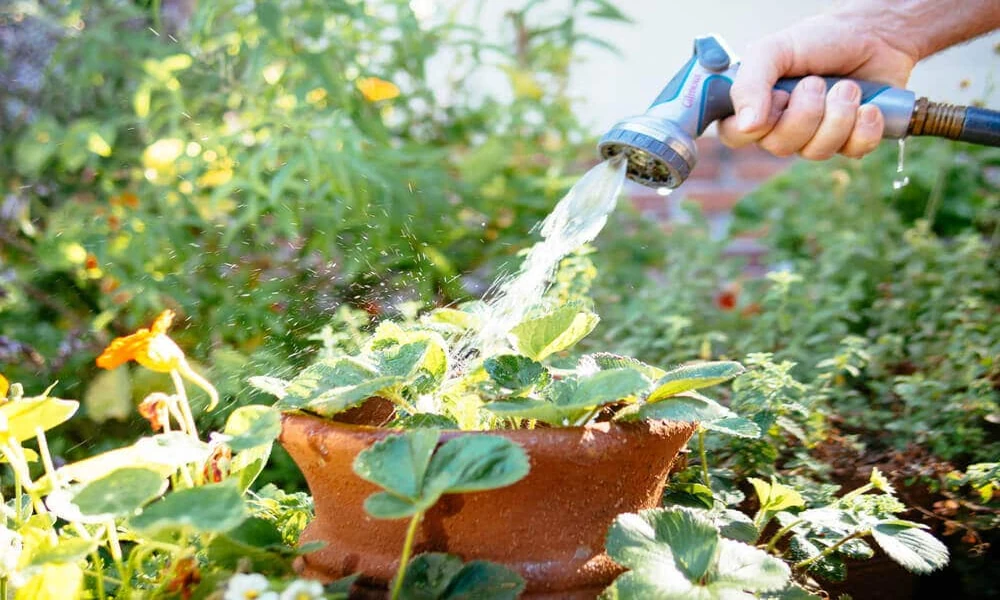
When it’s hot out, you gotta be smart about watering your garden. Watering in the early morning or late evening is a great idea because it stops water from just disappearing into thin air. This helps more water reach the roots where it’s needed.
Watering when it’s cooler lets the soil soak it up better, which keeps the plants happy and strong. Giving plants a good, deep drink every now and then helps their roots grow, which is super handy when it gets dry. Remember, not all plants are the same. Succulents need less water, while veggies and flowers might be thirstier.
Keep an eye on the weather. If the heat drags on, mix up your watering times. A soil moisture meter can be a real lifesaver to keep from drowning or drying out your plants. Chatting with local gardening experts can also give you some neat tricks to keep your garden green, even when it’s sweltering.
Utilizing Mulch for Moisture Management
Types and Benefits of Mulch
Mulch is like a shield for your garden, especially when it’s super hot outside. You’ve got two main kinds: organic and inorganic. Organic stuff, like wood chips, straw, and shredded bark, not only keeps things wet but also boosts the soil as it breaks down. On the other hand, inorganic stuff like gravel or black plastic is great for stopping weeds and keeping the ground at the right temperature. Each has its own benefits, so think about what your garden needs before picking one.
Applying Mulch Effectively
To get the best out of mulch, put down a layer that’s 2-3 inches thick around your plants. Just make sure it doesn’t touch the stems to avoid them rotting. Spread it out evenly for a tidy look that also helps save water. This easy trick cuts down on evaporation, stops weeds, and keeps the soil temperature just right. With the right mulch and a bit of care, your garden can stay lush even during the hottest British summer days.
Selecting Heat-Tolerant Plants
Picking the right plants for hot weather is key to keeping your garden looking great. Go for plants like lavender, rosemary, and succulents-they love the sun! Lavender needs lots of sunlight and soil that drains well. Rosemary loves the sun too and doesn’t need much water, so it’s super easy to care for. Succulents have thick leaves that hold water, so they’re perfect for dry spells.
When planting these, think about how much sun and space they need. Putting similar plants together not only looks good but also makes sure they get enough light. Make sure the soil lets water drain to keep roots healthy. These tough plants don’t just make your garden look awesome, but they also cut down on how much you need to water, saving you time and effort. Plus, they bring cool textures and colours, keeping your garden lively and ready for the heat. Picking the right plants means your garden can still thrive even when it’s scorching!
The Role of Pruning
Keeping your garden in good shape means giving it a trim now and then, especially when it’s boiling hot outside. Snipping off dead or crowded branches lets air move around better, cutting down on heat stress and disease. Focus on getting rid of any weak or broken bits, and branches that are crossing or rubbing against each other. This helps air and sunlight get into the middle of the plants, helping them grow strong and healthy.
When you prune matters too. It’s best to do it when it’s cooler to avoid stressing the plants out even more. Late summer’s a sweet spot for this, as it gets plants ready for the cool season. Make sure your tools are sharp and clean-that way, the cuts heal faster and there’s less chance of infection.
If you want your plants to stay in shape and grow well, try light pruning here and there while they’re growing. It helps them grow bushier and stops them from looking scraggly. By keeping an eye on how your garden’s structured, you’ll have a spot that’s not just nice to look at but tough enough to handle the heat.
Using Shade Cloths for Protection
During the super hot summer days, it’s really important to protect your plants from getting too much sun, as it can make a huge difference in how healthy they are.
Benefits of Shade Cloths
Shade cloths are great because they help block some of the direct sunlight, stopping leaves from getting burnt and keeping plants cooler. They’re especially handy for plants that love the shade, like ferns, lettuce, and begonias. Pick the right kind of cloth-lighter ones give less shade, and heavier ones block more sun, so match them to what your plants need.
Installing Shade Cloths Effectively
To get the most out of shade cloths, putting them up right is super important. Make sure there’s some space between the cloth and the plants so air can flow and stop them from getting too hot. Use stakes and ties to keep the cloth tight and a bit raised, so rain can still water your plants. When you set them up well, shade cloths make your garden a much cooler and nicer place, even when the summer sun is blazing.
Soil Health in Hot Weather
Keeping your garden’s soil happy and healthy is super important, especially when it’s hot outside. Heat can mess with the soil, taking away nutrients and making it hard, which isn’t great for plants. To fix this, start by checking the soil’s nutrients and pH levels. You can get a soil testing kit pretty much anywhere, and it’ll help you figure out what’s missing. Once you know what your soil needs, you can add stuff to make it better. Think about using compost, old manure, or organic fertilizers. These are great because compost and manure make the soil better and bring in good bugs, while organic fertilizers give plants the nutrients they need without any nasty chemicals.
Here’s a quick look at your options:
– Compost: Makes the soil structure better and adds nutrients.
– Well-rotted manure: Adds organic stuff and nutrients.
– Organic fertilizers: Provides necessary nutrients naturally.
Healthy soil is like a superhero for your garden. It helps plants grow strong and survive heat by holding onto water better, so you don’t have to water as often. When your soil is thriving, plants can handle the stress of high temps and keep looking good.
Conclusion
Gardening when it’s hot needs a bit more attention, but it’s so worth it! Try watering early or later in the day, using mulch to keep moisture in, picking plants that love the heat, trimming smartly, and keeping the soil in good shape. Shade cloths can help too. These tips not only help plants deal with the heat but also get them ready for whatever’s next. Follow these ideas and your garden will look amazing and strong, even when it’s blazing outside. Keep at it, and your garden will thrive through the summer heat!
How to Keep Your Garden Healthy During Hot Weather
