

Gardening seems like an enjoyable pastime until you find yourself making multiple trips to the watering can each day, transplanting yet another overgrown plant, or seeing yet another healthy plant succumb to neglect from being away for a couple of days. It doesn’t take long for many gardeners to begin wondering if there is a better way to go about things. It starts with your planters. If you’ve spent any time looking at planter pots for sale, you’ll know the options are endless – but not all of them are built for the long haul. Choosing right the first time changes everything.
Material Is Everything
Walk past the terracotta section. It is pretty indeed, yet it cracks when exposed to cold temperatures, dries up quickly, and even breaks apart when handled roughly. Plastic that is lighter in weight doesn’t perform any better than its heavier cousin; it fades away in the glaring sunshine and disintegrates within a period of just one to two years.
Fiberglass, powder-coated metal, and high-density polyethylene can withstand the elements. They might have uninteresting names, but you won’t have to worry about the durability of your pots for at least another three years.
Go Big or Go Home
When you’re looking for pots, small ones are your worst nightmare. They dry out within hours on a warm day, which means you’re outside watering constantly.
A bigger pot holds more soil volume, and more soil means more moisture retention – simple as that. For herbs and perennials, aim for at least 12 inches of depth. Shrubs, grasses, or anything you want to grow substantially?
Match Your Plants to Your Lifestyle
Not every plant belongs in a low-maintenance garden. Some need constant deadheading, weekly feeding, or daily water checks. Skip those. Instead, look at lavender, rosemary, succulents, ornamental grasses, and agapanthus – plants that genuinely cope when you’re busy or away for a weekend. Native species are worth serious consideration, too. They’ve evolved for your local climate, which means they work with existing rainfall patterns rather than against them.
Drainage and Soil – Don’t Cut Corners Here
When buying planter pots for sale, drainage holes are a must-have, not an add-on. Once root decay starts from sitting water, there’s no going back. Apart from the container, you’ll need to pay attention to the growing medium. Garden soil is too heavy; avoid using it at all costs.
Go for the right mixture, and make sure that some grit or perlite is added for air circulation. Cover it up with some mulch, and you’ll notice how much better water retention becomes in summer.
How You Arrange Pots Matters Too
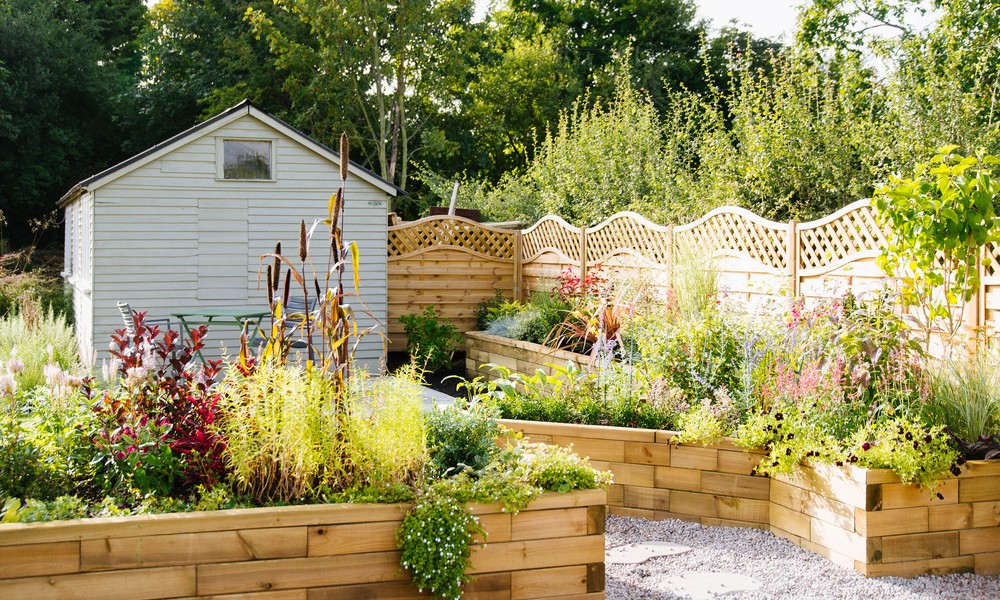
Group containers provide their own mini environment. The temperature of the soil is cool, and the rate of evaporation is relatively slow. The plants themselves will act as shields from the strong winds blowing against each other. Position the tall planters either towards the back or side of the cluster to form a natural barrier for the small containers.
What is truly important about creating a garden that requires less maintenance is not planting the plants; it is preparing for them. Plan everything, and you will have your dream garden soon enough. For durable, well-designed options worth investing in, browse Just Pots and build a garden that works for you – not the other way around.
