

Whether you have junk to clear from a weekend declutter or a full-scale home renovation, knowing how to dispose of it safely matters more than most people realise. In Singapore, where space is precious and regulations are strict, tossing unwanted items carelessly is not just irresponsible – it can land you with a fine. This guide walks you through the entire process, from sorting your waste to choosing the right disposal method.
Why Safe Disposal Matters
Singapore generates over 7.8 million tonnes of solid waste each year. The National Environment Agency works tirelessly to manage this, but every household and business has a role to play. Improper rubbish disposal pollutes waterways, attracts pests, and puts public health at risk.
Safe disposal also means responsible disposal. Items like batteries, electronics, and paint contain hazardous chemicals that should never end up in general waste bins. When you take the time to sort and dispose of your junk properly, you contribute to a cleaner, healthier living environment for everyone.
Step 1 – Assess What You Have
Before you start hauling bags to the kerb, take stock of everything you need to get rid of. Walk through each room and sort items into clear categories:
- Recyclables – paper, cardboard, glass, aluminium cans, and certain plastics
- Bulky items – old furniture, mattresses, large appliances
- Hazardous waste – batteries, fluorescent bulbs, e-waste, paint tins
- General waste – anything that cannot be recycled or requires special handling
- Donations – clothing, books, and working electronics that others could use
This sorting process saves you time later and ensures nothing harmful slips through the cracks. It also helps you identify items that still have value, either through resale or donation.
Step 2 – Explore Your Disposal Options
Singapore offers several channels for junk clearance, each suited to different types of waste. Understanding your options is half the battle.
For recyclables, the blue bins found in most HDB estates and condominiums accept common household items. The National Environment Agency also organises collection drives for specific materials throughout the year. E-waste can be dropped off at designated bins in shopping centres and community clubs.
Bulky items require a different approach. Town councils provide free scheduled collection for large articles like sofas and washing machines, typically once a month. You will need to place these items at designated collection points on the correct day.
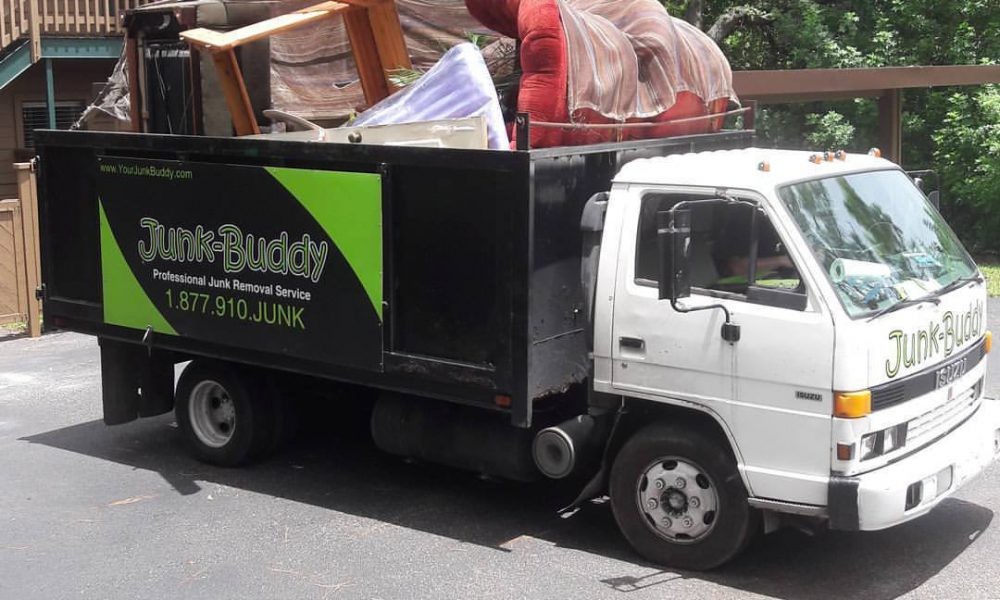
For anything that falls outside these channels – mixed clutter, office clearouts, or renovation debris – professional junk disposal services are often the most practical choice. These companies handle the heavy lifting, sorting, and transport, so you do not have to worry about logistics.
Step 3 – Handle Hazardous Items with Care
Hazardous waste demands extra attention. Batteries, ink cartridges, and old electronics contain substances like lead, mercury, and cadmium. These should never be mixed with regular waste.
Singapore’s Extended Producer Responsibility scheme, introduced in 2021, requires manufacturers to take back certain products at end of life. Collection points for e-waste are spread across the island, often located in retail stores and community centres. For chemicals and paint, the NEA periodically organises collection events where residents can drop off such items safely.
“We must think of sustainability not just as an aspiration, but as a way of life for every Singaporean.” – Masagos Zulkifli, former Minister for the Environment and Water Resources
Step 4 – Decide Whether to DIY or Hire Professionals
Some waste to clear out is manageable on your own. A few bags of old clothes, a broken shelf, or a stack of newspapers – these are straightforward enough. But when the volume grows, doing it yourself becomes impractical.
Professional clutter removal services are particularly useful when you are dealing with large quantities, heavy objects, or items that need special handling. They understand local regulations, hold the necessary permits, and can often recycle or donate items on your behalf. This is especially helpful during house moves or estate clearances, when time is short and the workload is overwhelming.
Step 5 – Dispose Responsibly and Stay Compliant
Singapore’s regulations on illegal dumping are strict, and enforcement is consistent. Fines for first-time offenders can reach $5,000 for individuals and $20,000 for organisations. Repeat offenders face even steeper penalties, including possible imprisonment.
To stay on the right side of the law, always use approved disposal methods. Keep records if you hire a service provider, and confirm that they are licensed by the NEA. If you are clearing construction or renovation debris, ensure your contractor arranges for proper waste removal as part of the project.
Making It a Habit
Safe disposal should not be a once-a-year event triggered by spring cleaning. Building small habits – sorting recyclables weekly, dropping off e-waste during regular errands, and scheduling periodic declutters – keeps the task manageable and prevents rubbish from piling up.
Community initiatives also help. Neighbourhood swap events, charity drives, and second-hand platforms like Carousell give unwanted items a second life, reducing the volume that ends up in landfill.
The next time you find yourself with junk to clear, remember that responsible disposal is simpler than it seems – and it starts with a single, well-sorted bag.
