
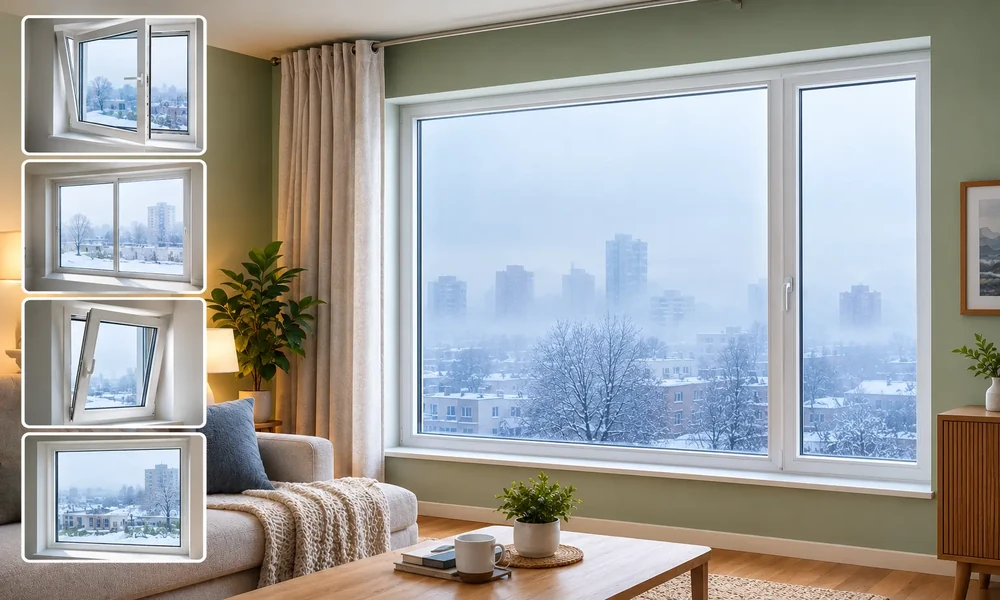

Stand next to an old single pane window on a July afternoon in Central Florida and you can feel the heat coming off the glass. In hot climates, windows let in more unwanted heat than almost any other part of the house. That’s why a window upgrade there means something different from one in Ohio or Minnesota. The goal isn’t to keep heat in. It’s to keep the sun out without making the rooms dark.
Homeowners who start shopping often find that local companies like Window Team USA of Orlando talk more about glass coatings, frame stability and installation methods than about looks. Every one of those details affects how cool a room stays at 3 p.m. in August and how the window holds up after years of humidity and summer storms.
Below is what to look at, in roughly the order it matters, so you can compare quotes with confidence and know which questions to ask.
The Sun Matters More Than the Cold
Window shoppers in northern states focus on U-factor, which measures how well a window stops heat from passing through. In a cooling-dominated climate, the more important number is the Solar Heat Gain Coefficient, or SHGC. It runs from 0 to 1 and shows how much of the sun’s heat passes through the glass. Lower is better when your air conditioner runs eight months a year.
ENERGY STAR splits the country into four climate zones. The Southern zone has the strictest SHGC limit, set at 0.23 or lower under the current Version 7.0 rules. ENERGY STAR explains that every certified window carries an independently tested performance label, so you don’t have to rely on a salesperson’s claims.
A window can carry the ENERGY STAR logo and still not be certified for your zone. Look at the climate map printed on the label and check that the Southern zone is shaded.
Reading the Sticker Before You Sign
Every certified window should come with a label from the National Fenestration Rating Council, a nonprofit that sets standard testing methods for windows, doors and skylights. The NFRC label works like a nutrition label for windows. It lets you compare brands using the same test conditions.
Here are the numbers that matter most in a hot, humid climate:
- SHGC: Keep it low, ideally 0.23 or below, for any glass facing west or south.
- Visible Transmittance: A higher number means more daylight. Good low-E glass blocks heat and still lets in plenty of light.
- Air Leakage: Lower numbers mean fewer gaps for humid outdoor air to sneak through.
- Condensation Resistance: This matters more than you’d think when indoor air is cooled to 72 degrees and the outside glass is sitting in 90 percent humidity.
If a quote doesn’t list these ratings for the exact product, ask for them in writing.
Frame Materials in a Humid Climate
Glass gets most of the attention, but the frame decides how long the window lasts. Vinyl dominates the replacement market in warm regions because it doesn’t rot, rarely needs painting and insulates well. Its weak spot is extreme heat. Cheap vinyl on a sun-blasted west wall can warp, so ask about reinforced frames and heat-reflective colors if you want something darker than white.
Aluminum frames are strong and slim, which is why they show up so often in older homes and big sliding doors. Standard aluminum conducts heat easily, though. Look for thermally broken aluminum if you like the narrow profile.
Fiberglass costs more but expands and contracts at nearly the same rate as glass. That keeps seals tight through constant heating and cooling. Wood looks beautiful, but in a damp subtropical climate it needs real maintenance. Many homeowners who love wood pick a version clad in vinyl or aluminum on the outside.
Storm Season Changes the Conversation
Hurricane exposure shapes window choices more than almost anything else. Coastal counties often fall inside wind-borne debris zones, where building codes require impact-rated glass or approved shutters. Inland homes may have different requirements, but they still have to meet design pressure ratings that reflect local wind speeds.
Design pressure, shown as a DP rating, tells you how much wind load a window can take before it fails. Impact glass goes further. It uses a laminated layer that holds the glass in the frame even after it cracks, much like a car windshield. Many inland homeowners choose impact windows anyway. They want protection without putting up shutters every storm season, and laminated glass also blocks more outside noise and UV light.
Replacing windows usually requires a permit, and the product must have a valid product approval for your jurisdiction. A reputable installer pulls the permit and schedules the inspection. If someone suggests skipping it, treat that as a warning sign.
Styles That Suit Warm Weather Living
Window style affects airflow, views and how easy the windows are to clean. Casement windows swing outward and catch passing breezes, which helps during the mild months when the air conditioner can rest. Single hung and double hung windows stay popular in traditional ranch and block homes because they match the original look.
Large picture windows facing a lanai or pool are common in newer homes, and they’re where low SHGC glass pays off most. Horizontal sliders suit wide, short openings in bedrooms and are easy to operate. Bay and bow windows add depth to a living room, but their angled glass catches sun from several directions, so they need especially good coatings.
Installation Decides Whether It All Works
Even the best window will leak if it’s installed poorly. Most homes in the region have stucco over concrete block, so replacing a window means cutting into a hard, brittle surface and sealing it so water can’t get behind the wall. Ask how the crew handles flashing, sealant and the stucco patch around the new frame. Find out whether they use their own trained installers or subcontractors.
Age of the house matters too. If your home was built before 1978, federal rules require contractors who disturb painted surfaces to follow lead-safe work practices. A certified firm will contain dust, clean carefully and document the work.
Timing is worth thinking about as well. Late fall and winter usually bring drier weather and more scheduling flexibility, so it’s easier to have openings exposed for a day without racing afternoon thunderstorms.
Getting the Most From the Investment
New windows are one of the bigger home projects most families take on, and the payoff builds over time. You get lower cooling bills, less fading on floors and furniture, quieter rooms and more peace of mind when a storm is in the forecast. The homeowners who end up happiest usually spent time learning to read the label, picking frames for the climate instead of the brochure, and choosing an installer who explained the process clearly. Do those three things and the new windows should serve the house well for decades.
Picking Replacement Windows That Can Handle Subtropical Heat
