
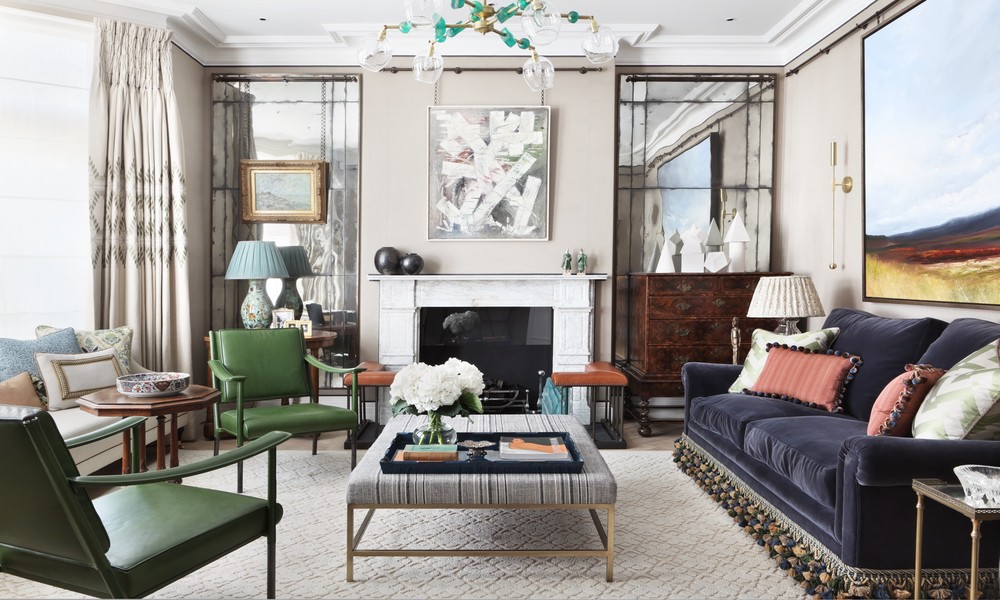

A coffee table might seem like just another surface to rest your cup, but in a thoughtfully designed space, it becomes the silent anchor of your living area. The right lighting and placement can elevate any coffee table from background prop to design centerpiece, infusing the room with personality and function.
The Role of Lighting in Shaping Coffee Table Appeal
Sunbeams streaming through a window can create a soft glow on the tabletop, making even the simplest design feel inviting. But how does the interplay between natural and artificial light affect the way we perceive coffee tables?
Natural Light vs. Artificial Light: Effects on Material and Color
Natural daylight tends to bring out the authentic beauty of wood grains, marble veins, and textured surfaces. Sunlight highlights subtle color shifts, but it can also expose imperfections. On the other hand, artificial lighting, whether from overhead fixtures, lamps, or sconces, lets you control the spotlight. Chrome and glass surfaces may sparkle under artificial lights, while darker woods can appear deeper and more luxurious.
Ambient, Task, and Accent Lighting: Differentiating Their Impact
Ambient lighting fills the room with a consistent brightness, ensuring the coffee table blends seamlessly into its environment. Task lighting, such as a focused reading lamp, can transform the table into a functional workspace or showcase reading materials and decorative items. Accent lighting, typically achieved with spotlights or LED strips, draws attention to striking design elements and makes the table stand out as an artistic focal point.
How Light Temperature Influences Mood Around Coffee Tables
A cool white bulb (4000K-5000K) energizes the space, emphasizing modern lines and sharpened edges. In contrast, warm lighting (2700K-3000K) envelops the area in a relaxed glow, perfect for cozy evenings. Glass or high-gloss tables bounce light back into the room, while matte finishes absorb and soften it, subtly shifting the ambiance.
Placement Strategies: Maximizing Visual and Functional Appeal
Where a coffee table sits in a room dictates not just how it looks, but how the space feels and functions.
Centered Placement vs. Off-Center: Balancing Symmetry and Flow
Placing a table dead center amidst seating creates harmony, ideal for formal spaces. In contrast, slightly off-center placement can encourage natural movement, preventing the room from feeling too rigid. This little shift allows for more organic, lived-in energy, key in modern interiors.
Proximity to Seating: Enhancing Comfort and Accessibility
A practical rule: keep the table within easy arm’s reach of each seat. Too far, and it becomes an inconvenience; too close, and the area feels cramped. The sweet spot is usually 16-18 inches from the edge of the sofa, allowing for legroom and effortless use.
Integration with Other Furniture: Creating Cohesive Groupings
Coffee tables should converse with sofas, accent chairs, and rugs. Matching materials or shapes creates unity, while a contrasting piece can serve as a bold statement. Pairing a sleek glass table with a plush sectional, for instance, introduces both tactile and visual balance.
Comparing Lighting Styles for Different Coffee Table Designs
The interplay of lighting and material can dramatically change a table’s impact.
– Minimalist, modern tables truly shine under crisp, cool lighting, which accentuates their clean lines and simple forms.
– Rustic, wooden designs benefit from soft, warm light that highlights grains and knots, maximizing the sense of warmth.
– Glass or metal tables come alive with directional or accent lighting, as reflections and shadows add depth and intrigue.
Placement Considerations for Various Room Layouts
No two rooms present the same challenge, so tailoring your approach is crucial.
– Open-plan layouts benefit from strategic placement to define zones, a centrally placed table can visually anchor the living area.
– In small rooms, opt for a modestly sized table and avoid crowding. Let negative space around the piece help the room breathe.
– Expansive spaces often require larger tables, sometimes paired, to connect seating clusters and avoid a disjointed look.
Combining Lighting and Placement: Case Studies in Interior Styles
Scandinavian interiors favor abundant natural light and centered placement, letting simple table designs take the spotlight without clutter. Industrial spaces often use accent lighting to highlight raw materials like metal or concrete, pushing the table into a starring role amid exposed brick and beams. Contemporary homes balance flexible placement with dynamic lighting, using dimmers and movable lamps to shift the mood as needed.
Practical Tips: Adjusting Lighting and Placement for Maximum Effect
– Experiment with floor lamps, table lamps, and overhead fixtures to discover what flatters your table’s material and shape.
– Consider adjusting placement throughout the year, moving the table to catch winter’s low light or to avoid harsh summer rays.
– Accessorize mindfully. A well-chosen vase or tray can anchor the look, working with both the light and position to maximize appeal.
For design inspiration and a broad selection of styles, experts often reference resources like Avant Scene modern coffee tables.
Common Mistakes and How to Avoid Them
Ignoring shadows and glare can ruin a table’s appeal. Before settling on a lighting setup, observe how light interacts with both the surface and items placed on it. Avoid crowding, leave enough space for easy movement. Finally, always consider the relationship between lighting and table finish; a glossy table under direct light may dazzle or distract.
Future Trends in Lighting and Coffee Table Integration
The next frontier combines smart lighting with adaptive ambience, allowing homeowners to shift moods at a touch. Modular tables designed for flexible placement are gaining traction, catering to evolving needs. As sustainability becomes paramount, designers increasingly select materials that not only look stunning but also respond beautifully to varying light conditions.
The right pairing of lighting and placement transforms the humble coffee table into a dynamic element of your living space, one that invites gathering, sparks conversation, and reflects your personality with every shift of light.
